
Chapter · 03
Twelve steps on the ground — conversations, workflows, artefacts.
Field · Behaviour · Reality
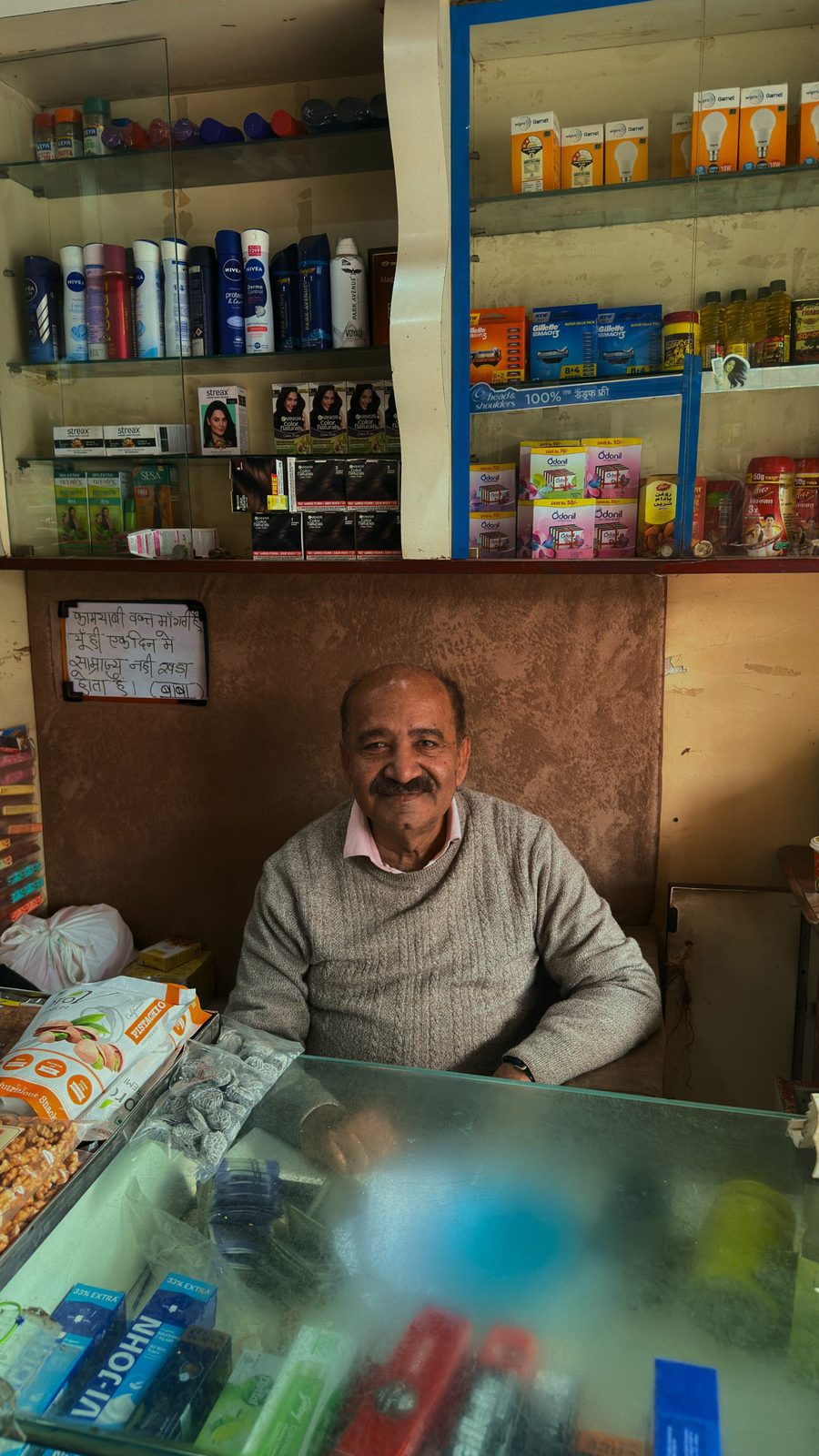
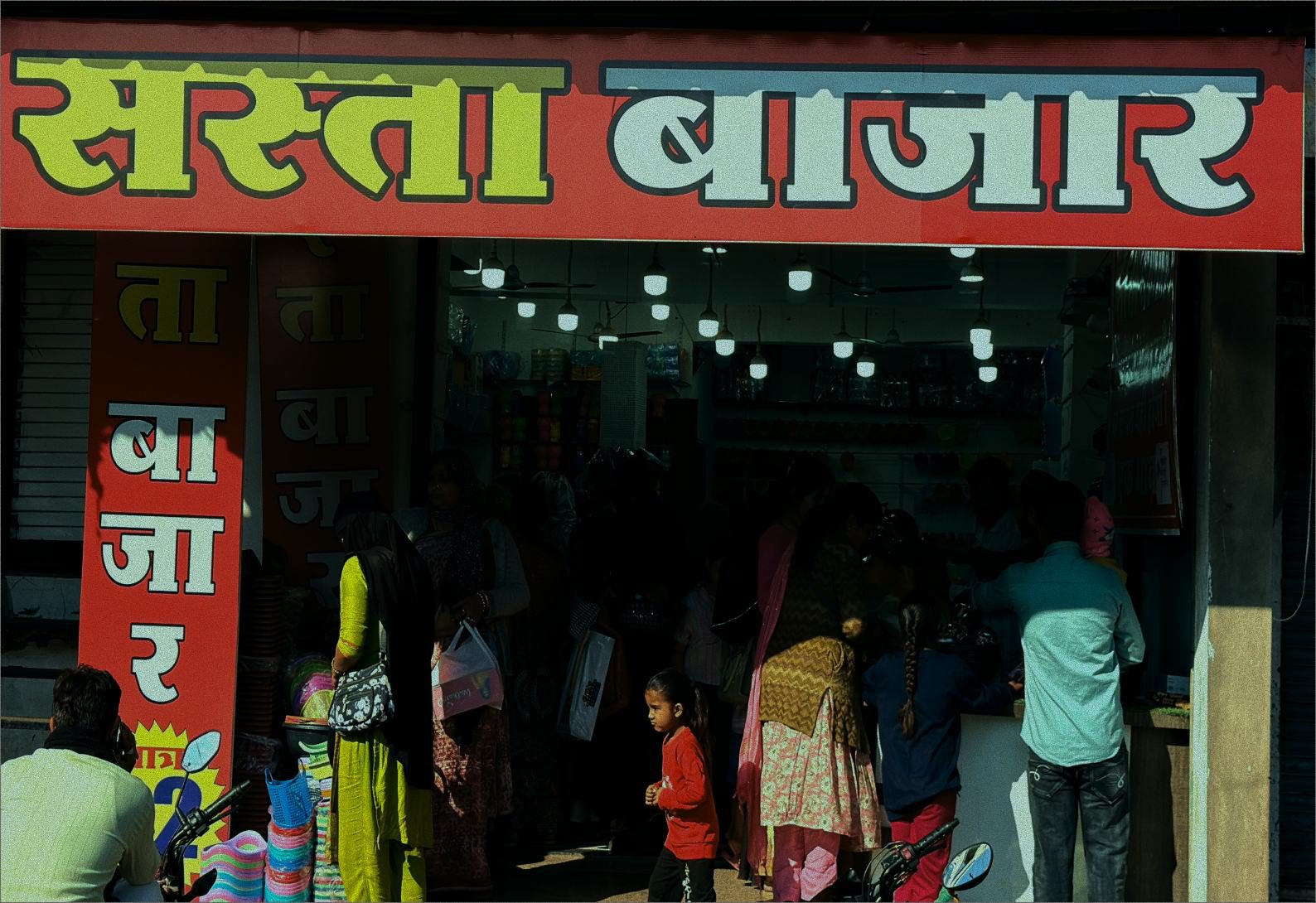
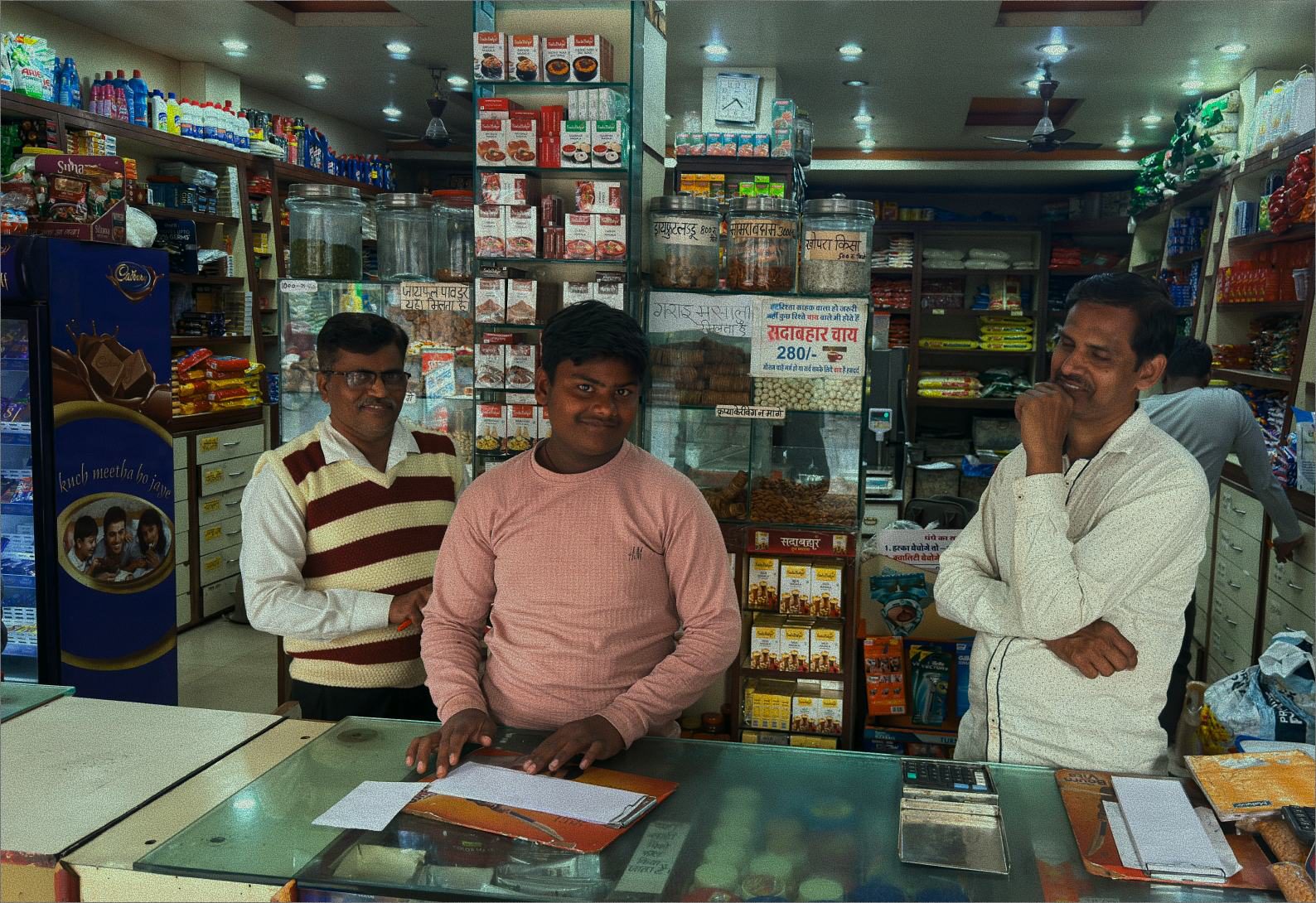
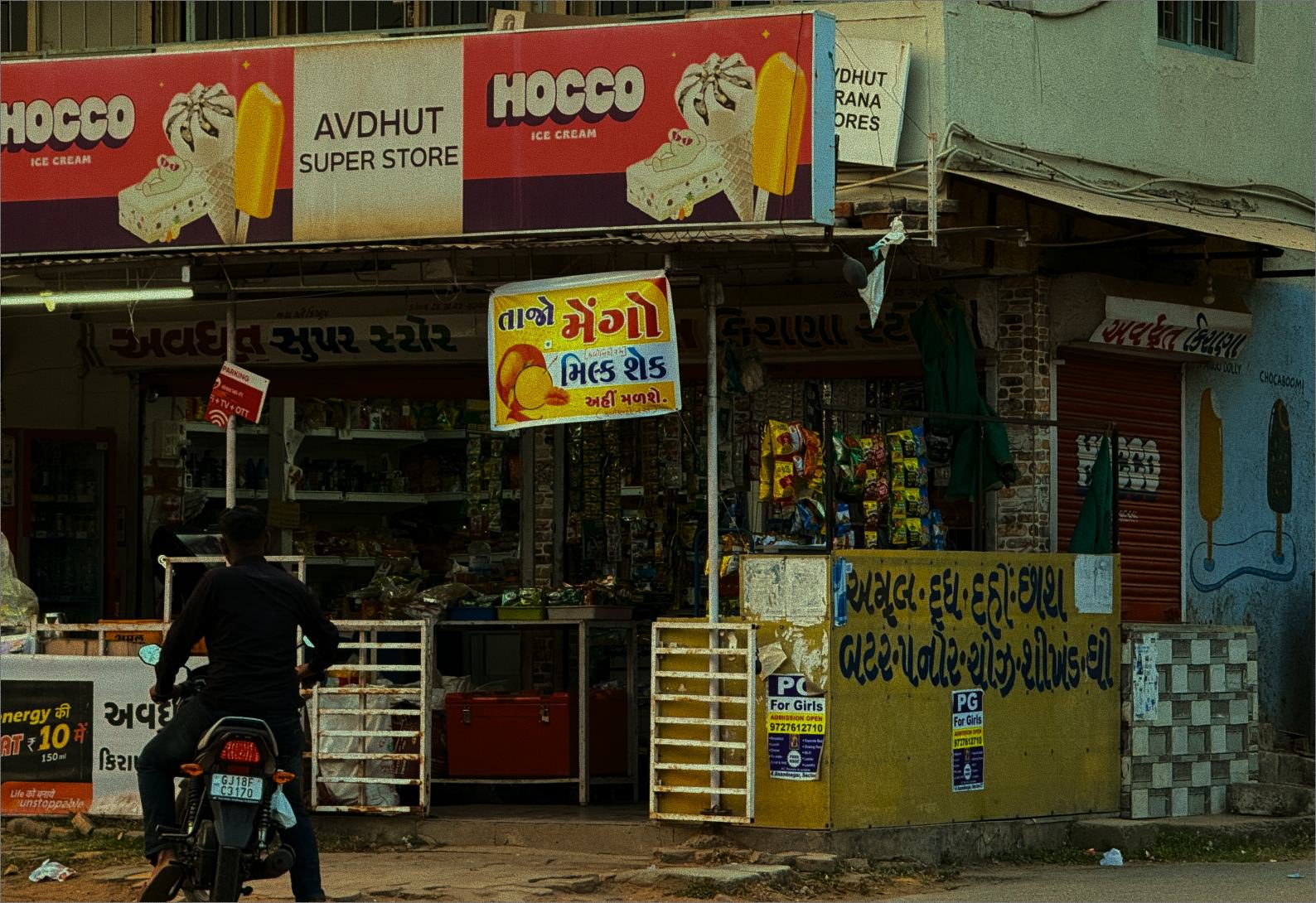
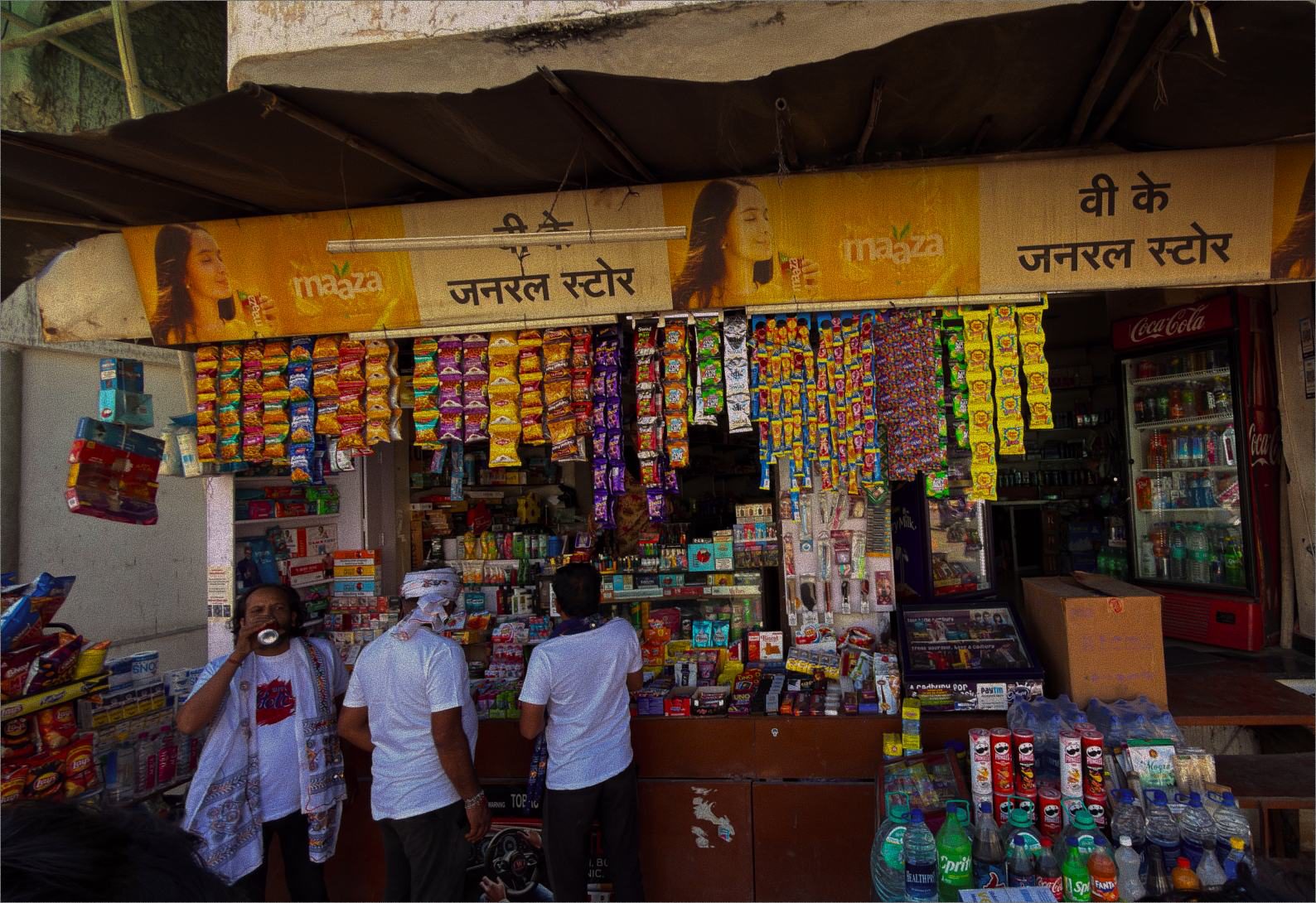
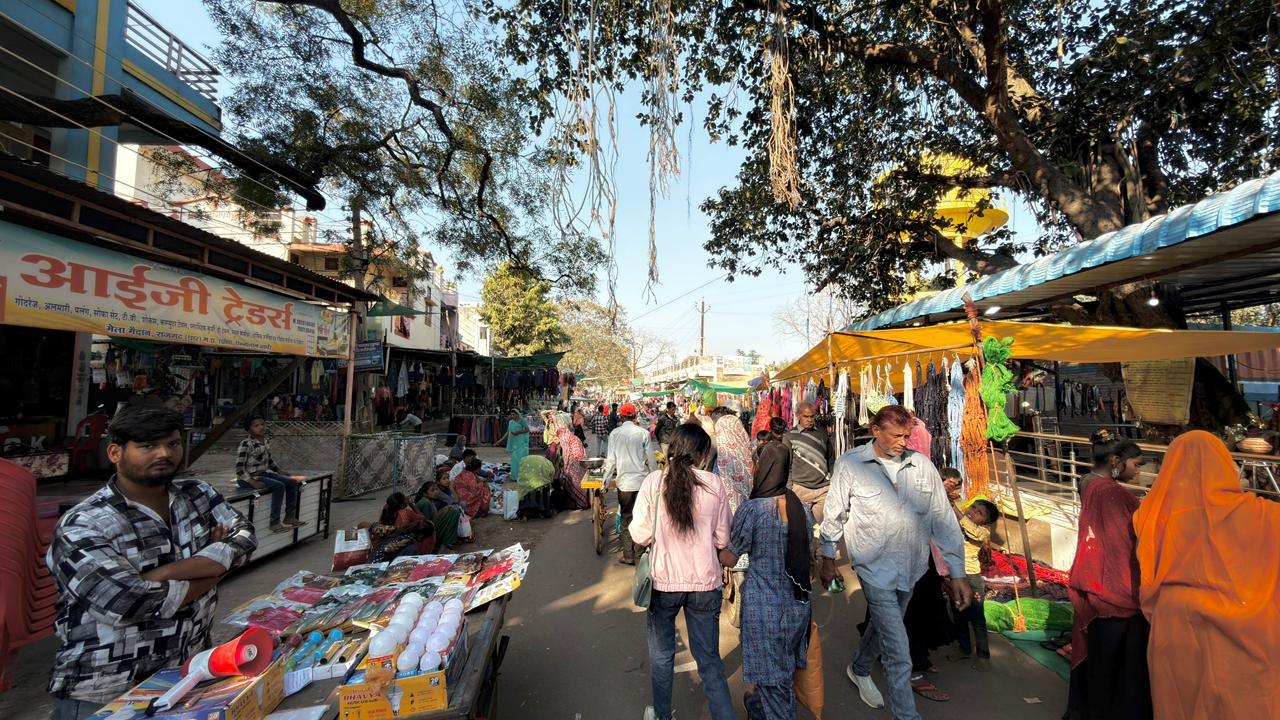
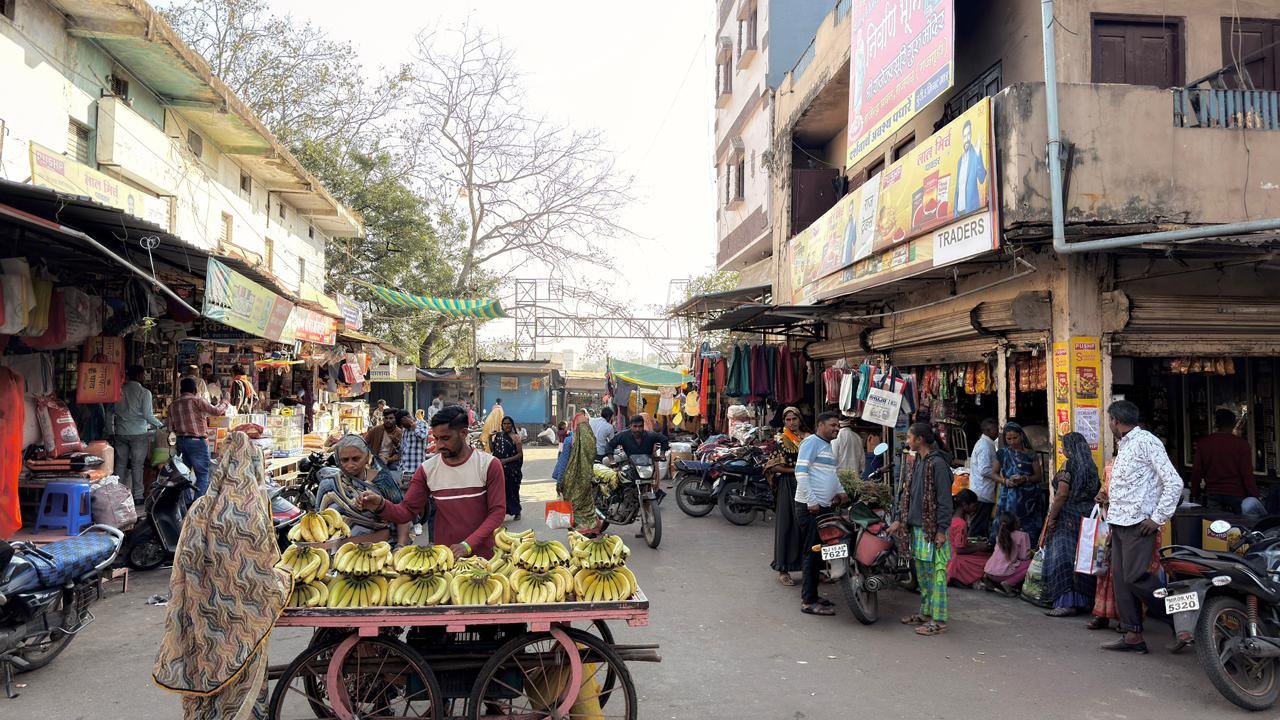
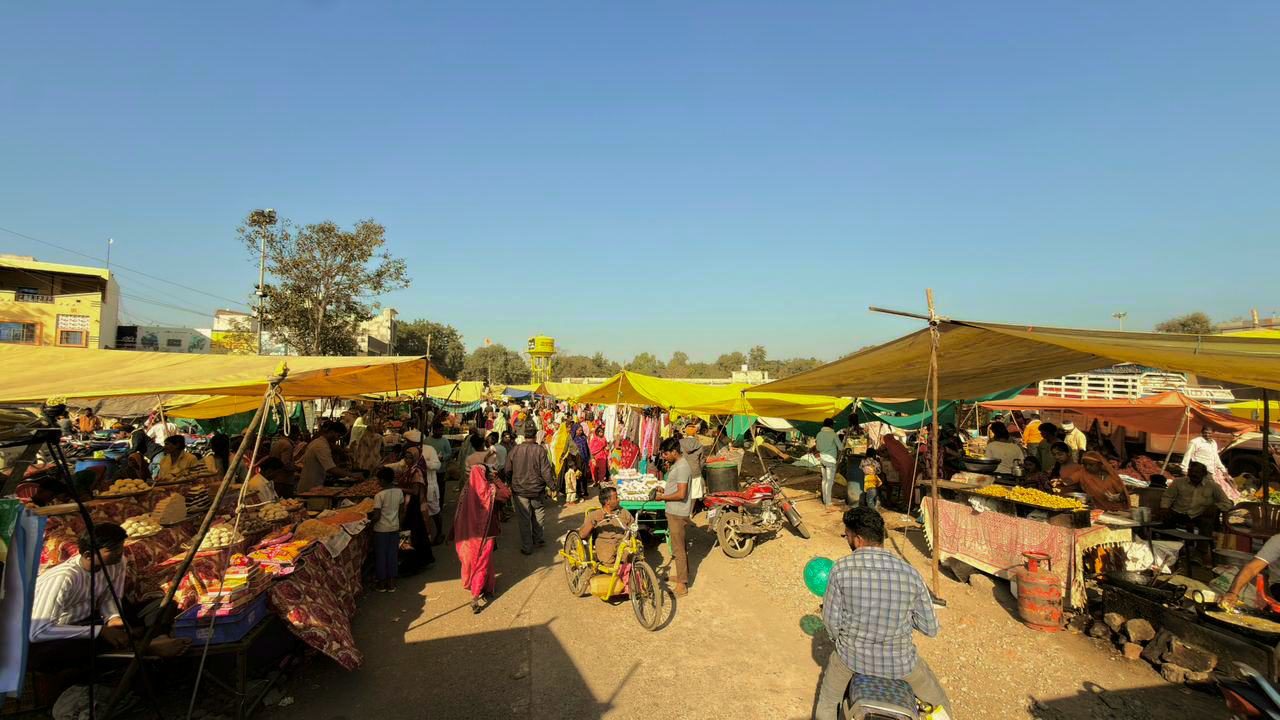
Time on ground — conversations at the counter.
A step-by-step inquiry built to first understand how the system works, where it breaks, why those breakdowns exist — and what they mean in a design context. Qualitative, but organised, traceable, and strategically actionable.
Hypothesis Formation
A core hypothesis gave the research a clear direction instead of broad, random inquiry.
Discussion Guide Development
A structured flow for interviews — open and qualitative, yet aimed at meaningful areas of inquiry.
Workflow Mapping
Detailed daily workflows of GT and MT stores: operational flow, roles, decision structures, ownership, movement of work.
Family Power Dynamics
Understanding how power and responsibility shift within a family store — where pressure builds and what breaks.
Case Study Analysis
Multiple retail cases documented and compared through tailored case study sheets.
Primary Observation Recording
Observation sheets translated conversations into usable, clear research notes.
Structured Note Processing
Notes colour-coded into observations, idea sparks, pain points and insights.
Clustering
Related notes grouped into coherent thematic blocks from scattered signals.
Insight Formulation
Each insight shaped through What → Why → So What. An insight without implication is only an observation.
Insight Theme Grouping
Individual insights grouped under broader themes — easier to act upon.
JTBD Framework
Moving from understanding the ecosystem to understanding the user’s real progress.
Design Direction
Research outcomes formulated into the design brief, challenges and approach.
A discussion guide — not a questionnaire. A questionnaire captures answers, but not the reasoning behind them. The guide kept conversations flowing naturally while still covering what we needed to understand.
- The journey of the shop — how it started and evolved
- Daily operations and how work actually flows
- Decision-making patterns and control within the store
- Changes in market behaviour and customer expectations
- Impact of new retail formats like quick commerce
- Operational constraints and everyday adjustments
- Fears, pressures, and the desire for change
Tools designed to structure and execute the research itself — converting scattered actions into an organised, traceable process. Three remained central throughout.
Case Study Sheets
Tailored formats to document and compare retail cases systematically.
Primary Research Reports
Observation sheets translating conversations into usable notes.
Archetype Canvas
Mapping store archetypes and their operational logic.
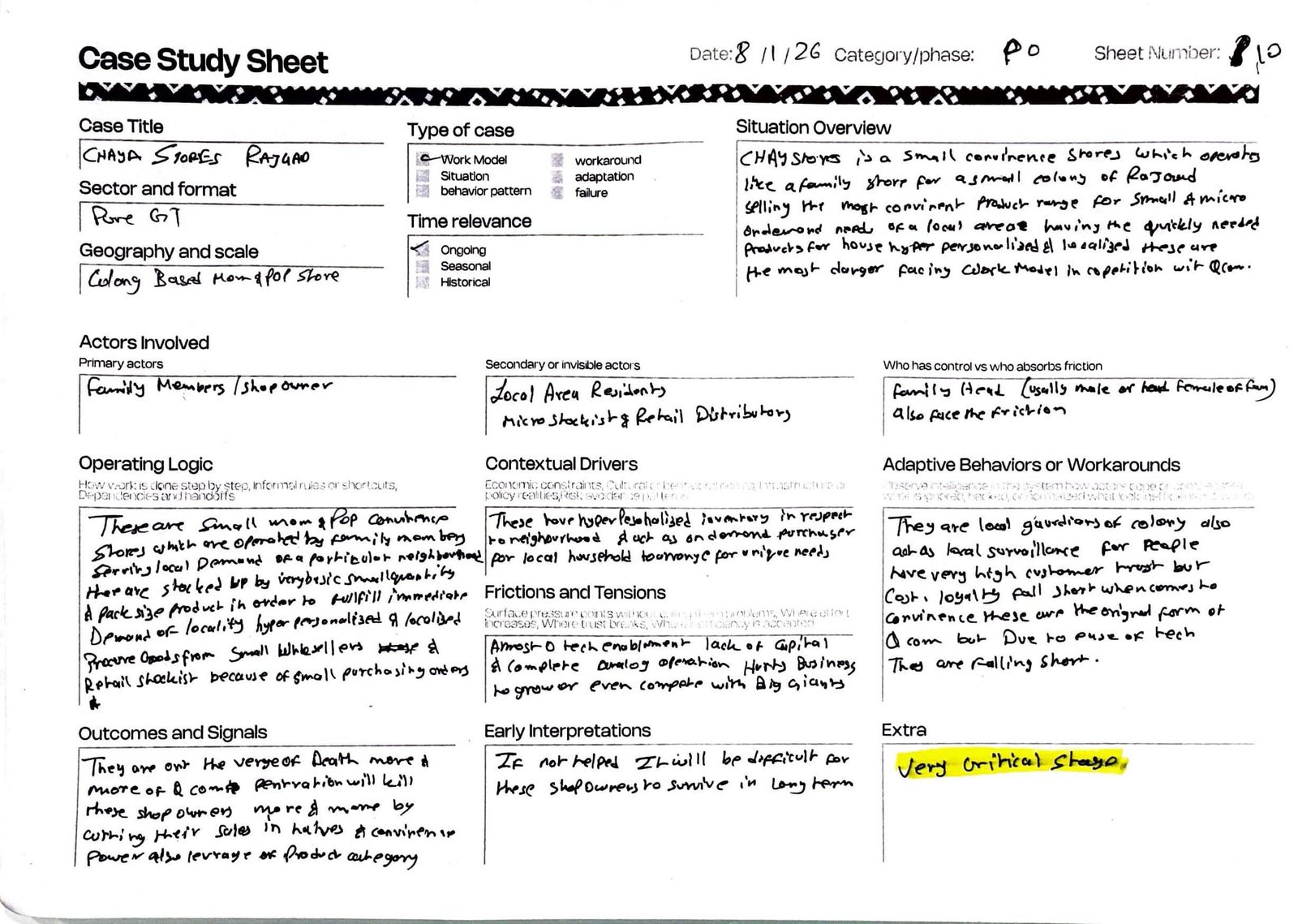
A filled case study sheet from the field
Drag or scroll sideways →
Next Chapter
Random AI music — not the best, but keeps you going